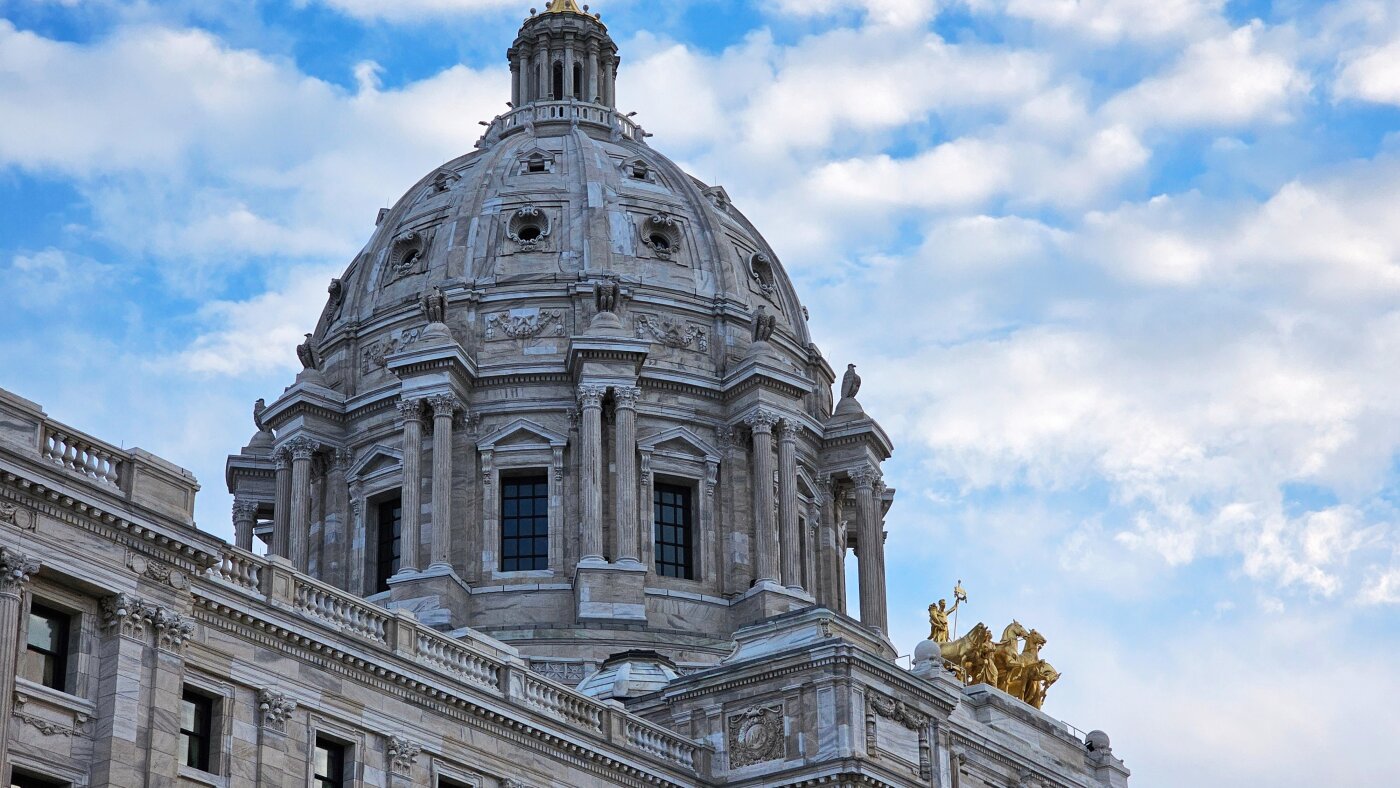
We provide consistent updates on equity markets, focusing on earnings performance and stock price trends. Minnesota has become the first state in the U.S. to pass a law making it a felony for prediction market platforms such as Kalshi and Polymarket to operate within its borders. This move marks a significant escalation in state-level efforts to regulate the controversial industry, even as dozens of other states pursue legal actions.
Live News
- Criminal Penalties: Minnesota’s law elevates the operation of unlicensed prediction markets from a civil violation to a felony, potentially carrying significant prison time and fines for company executives.
- Industry Impact: Platforms like Kalshi and Polymarket, which have already faced legal challenges in multiple states, would likely be forced to block Minnesota users entirely to comply with the new ban.
- Growing Opposition: Dozens of states have taken legal action against prediction markets, but Minnesota is the first to pass a legislative ban at the felony level, signaling a potential shift in enforcement strategy.
- Regulatory Uncertainty: The law raises questions about how prediction market companies will navigate a patchwork of state rules, especially if more states follow Minnesota’s lead.
- Federal Context: The Commodity Futures Trading Commission (CFTC) has previously signaled concerns about certain event contracts, but federal rulemaking has not kept pace with state-level actions.
Minnesota Becomes First State to Criminalize Prediction Markets, Sets National PrecedentSeasonality can play a role in market trends, as certain periods of the year often exhibit predictable behaviors. Recognizing these patterns allows investors to anticipate potential opportunities and avoid surprises, particularly in commodity and retail-related markets.Some traders incorporate global events into their analysis, including geopolitical developments, natural disasters, or policy changes. These factors can influence market sentiment and volatility, making it important to blend fundamental awareness with technical insights for better decision-making.Minnesota Becomes First State to Criminalize Prediction Markets, Sets National PrecedentA systematic approach to portfolio allocation helps balance risk and reward. Investors who diversify across sectors, asset classes, and geographies often reduce the impact of market shocks and improve the consistency of returns over time.
Key Highlights
Minnesota has officially enacted legislation that classifies the operation of prediction markets as a felony offense, becoming the first state in the nation to take such a hardline stance against the sector. The law, signed recently, directly targets platforms like Kalshi and Polymarket, which allow users to place bets on the outcomes of events ranging from elections to economic indicators.
The new statute reflects growing bipartisan concern over the potential for these markets to distort public discourse, enable gambling on sensitive topics, and circumvent existing financial regulations. While many states have initiated lawsuits or investigations against prediction market operators, Minnesota’s approach—criminalizing their operation—represents a notable departure from typical civil enforcement measures.
Industry observers note that the law could have a chilling effect on the sector’s expansion in the U.S. and may prompt other states to consider similar legislation. The action comes amid ongoing federal debates about the legality of such platforms under the Commodity Exchange Act and state gambling laws.
Minnesota Becomes First State to Criminalize Prediction Markets, Sets National PrecedentWhile algorithms and AI tools are increasingly prevalent, human oversight remains essential. Automated models may fail to capture subtle nuances in sentiment, policy shifts, or unexpected events. Integrating data-driven insights with experienced judgment produces more reliable outcomes.The use of multiple reference points can enhance market predictions. Investors often track futures, indices, and correlated commodities to gain a more holistic perspective. This multi-layered approach provides early indications of potential price movements and improves confidence in decision-making.Minnesota Becomes First State to Criminalize Prediction Markets, Sets National PrecedentReal-time analytics can improve intraday trading performance, allowing traders to identify breakout points, trend reversals, and momentum shifts. Using live feeds in combination with historical context ensures that decisions are both informed and timely.
Expert Insights
Legal analysts suggest that Minnesota’s felony-level ban could trigger a broader regulatory response across the country. The move underscores the intensifying scrutiny on prediction markets, which some critics argue resemble unregulated gambling operations rather than useful financial instruments.
From a market perspective, the law may force platforms to reassess their operational models in the U.S. Companies that rely on event-based contracts could face increased compliance costs and legal liabilities if other states adopt similar criminal penalties. The uncertainty surrounding state-level bans might also dampen investor enthusiasm for startups in the sector.
However, proponents of prediction markets argue that these platforms can provide valuable data on future events—similar to polling or betting exchanges—and that outright criminalization may stifle innovation. The Minnesota law is likely to face legal challenges on constitutional grounds, including questions about interstate commerce and free speech rights under the First Amendment.
For now, the industry is watching closely as Minnesota sets a potential precedent. The law’s enforcement and any subsequent court rulings would likely shape the future of prediction markets in the United States.
Minnesota Becomes First State to Criminalize Prediction Markets, Sets National PrecedentMany investors adopt a risk-adjusted approach to trading, weighing potential returns against the likelihood of loss. Understanding volatility, beta, and historical performance helps them optimize strategies while maintaining portfolio stability under different market conditions.Sentiment analysis has emerged as a complementary tool for traders, offering insight into how market participants collectively react to news and events. This information can be particularly valuable when combined with price and volume data for a more nuanced perspective.Minnesota Becomes First State to Criminalize Prediction Markets, Sets National PrecedentExperienced traders often develop contingency plans for extreme scenarios. Preparing for sudden market shocks, liquidity crises, or rapid policy changes allows them to respond effectively without making impulsive decisions.