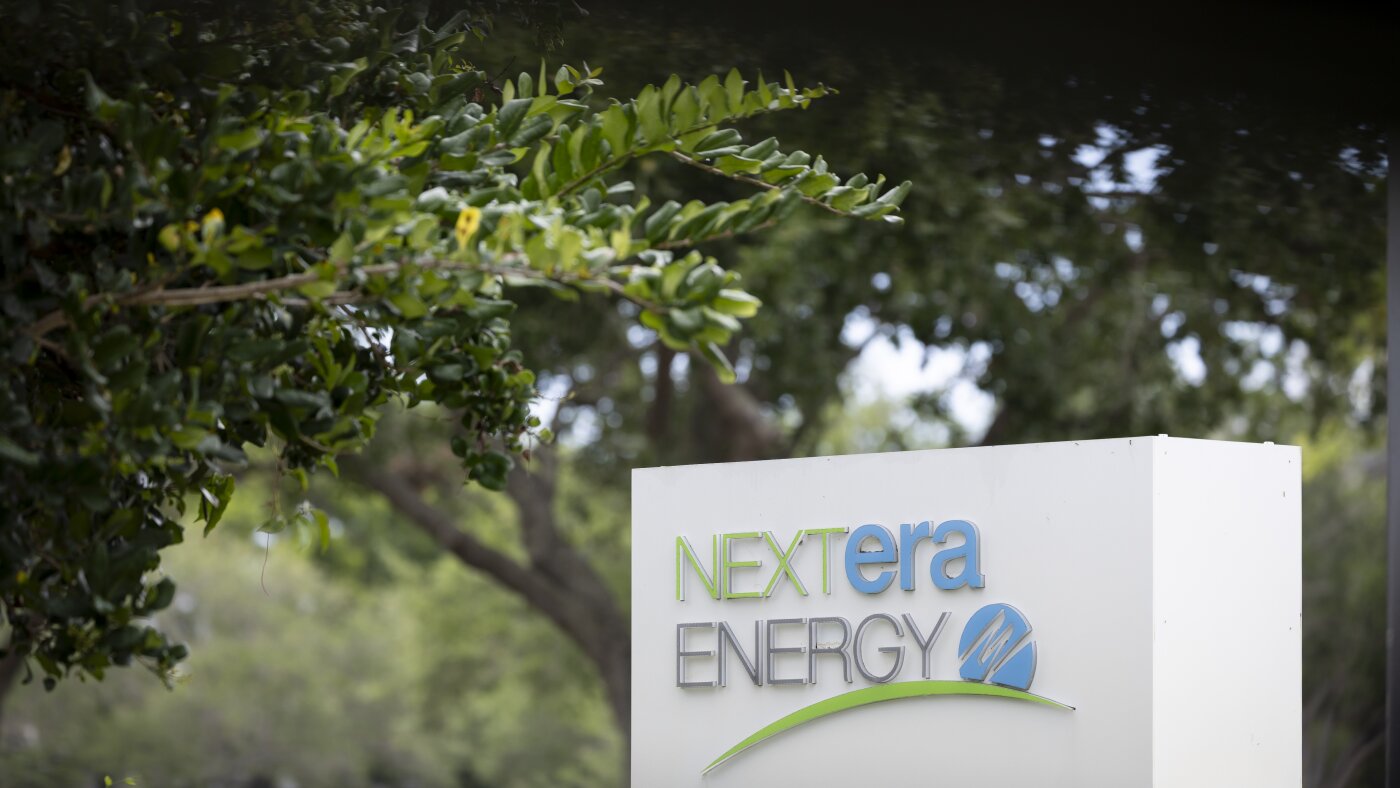
Our coverage includes global equity markets, focusing on earnings trends, institutional flows, and sector-level performance analysis. NextEra Energy has announced plans to acquire Dominion Energy, a move that would create the largest electricity producer in the United States. The merger, if completed, could have significant implications for electricity affordability and the pace of renewable energy deployment across the country.
Live News
- Market Dominance: The combined entity would control over 70 gigawatts of generating capacity across multiple states, making it the largest U.S. power producer. This scale could allow for lower procurement costs for fuel and equipment, potentially benefiting customers.
- Renewable Energy Impact: NextEra is the world’s largest operator of wind and solar projects. Merging with Dominion, which has a growing renewable portfolio, could accelerate the retirement of coal plants and boost clean energy deployment.
- Affordability Concerns: While the companies argue that cost savings will trickle down to ratepayers, consumer advocates warn that reduced competition in wholesale markets could lead to higher prices in the long run. State regulators will likely impose conditions to protect customers.
- Regulatory Hurdles: The deal will require approval from the Federal Energy Regulatory Commission and multiple state public service commissions. The process could take 12–18 months. Antitrust review will examine whether the merger lessens competition in specific regional power markets.
- Regional Implications: Dominion serves heavily regulated markets in the Mid-Atlantic and Southeast. Any rate changes from the merger would be subject to cost-of-service reviews, limiting immediate price shocks. In contrast, NextEra’s unregulated merchant generation fleet could see more flexible pricing.
NextEra Energy to Acquire Dominion Energy: A Megamerger That Could Reshape U.S. Power MarketsDiversifying information sources enhances decision-making accuracy. Professional investors integrate quantitative metrics, macroeconomic reports, sector analyses, and sentiment indicators to develop a comprehensive understanding of market conditions. This multi-source approach reduces reliance on a single perspective.The interplay between short-term volatility and long-term trends requires careful evaluation. While day-to-day fluctuations may trigger emotional responses, seasoned professionals focus on underlying trends, aligning tactical trades with strategic portfolio objectives.NextEra Energy to Acquire Dominion Energy: A Megamerger That Could Reshape U.S. Power MarketsTiming is often a differentiator between successful and unsuccessful investment outcomes. Professionals emphasize precise entry and exit points based on data-driven analysis, risk-adjusted positioning, and alignment with broader economic cycles, rather than relying on intuition alone.
Key Highlights
NextEra Energy, a leading renewable energy company based in Florida, recently disclosed its intention to acquire Dominion Energy, a major utility serving customers in Virginia, North Carolina, and several other states. The combination would result in the largest electricity producer by capacity in the U.S., surpassing current market leaders.
The announcement has drawn attention from industry observers, who note that the scale of the merged entity would give it substantial influence over wholesale power markets and transmission infrastructure. Both companies have significant holdings in natural gas, nuclear, and solar generation, with NextEra also being a dominant player in wind energy.
Financial terms of the deal have not yet been disclosed, and the acquisition is subject to approvals from federal regulators, state utility commissions, and shareholders of both companies. Regulatory scrutiny is expected to focus on market concentration and potential impacts on consumer electricity bills.
In a statement, NextEra highlighted the potential for operational efficiencies and cost savings, which could help moderate future rate increases. Dominion officials have emphasized that the merger would accelerate investments in grid modernization and clean energy.
NextEra Energy to Acquire Dominion Energy: A Megamerger That Could Reshape U.S. Power MarketsGlobal interconnections necessitate awareness of international events and policy shifts. Developments in one region can propagate through multiple asset classes globally. Recognizing these linkages allows for proactive adjustments and the identification of cross-market opportunities.Volume analysis adds a critical dimension to technical evaluations. Increased volume during price movements typically validates trends, whereas low volume may indicate temporary anomalies. Expert traders incorporate volume data into predictive models to enhance decision reliability.NextEra Energy to Acquire Dominion Energy: A Megamerger That Could Reshape U.S. Power MarketsMaintaining detailed trade records is a hallmark of disciplined investing. Reviewing historical performance enables professionals to identify successful strategies, understand market responses, and refine models for future trades. Continuous learning ensures adaptive and informed decision-making.
Expert Insights
Energy market analysts have described the proposed merger as a landmark consolidation in the U.S. electric utility sector. The combination would create a company with unmatched economies of scale in both conventional and renewable generation.
“A merger of this size would likely lead to significant operational synergies, particularly in fuel procurement, trading, and construction of new projects,” said an industry expert familiar with the deal. “But the devil is in the details—how much of those savings actually flow to customers will hinge on regulatory conditions.”
The transaction also raises questions about the future of wholesale power markets. If the merged company becomes a price-setter rather than a price-taker in certain regions, it may have the ability to influence market outcomes. Regulators may require divestitures or impose price caps to mitigate this risk.
From an investment perspective, the merger could reduce risk for bondholders and shareholders of both companies by creating a more diversified and financially stable entity. However, near-term uncertainty—including the potential for lengthy regulatory proceedings and possible legal challenges—may weigh on stock performance until the deal closes.
For consumers, the ultimate impact on electricity bills remains unclear. While scale-driven efficiencies could lower costs over time, the merger’s effect on competition in regional power markets will determine whether those savings are passed through. State utility commissions are expected to hold public hearings to vet the deal’s consumer protections before any approval.
NextEra Energy to Acquire Dominion Energy: A Megamerger That Could Reshape U.S. Power MarketsSector rotation analysis is a valuable tool for capturing market cycles. By observing which sectors outperform during specific macro conditions, professionals can strategically allocate capital to capitalize on emerging trends while mitigating potential losses in underperforming areas.Integrating quantitative and qualitative inputs yields more robust forecasts. While numerical indicators track measurable trends, understanding policy shifts, regulatory changes, and geopolitical developments allows professionals to contextualize data and anticipate market reactions accurately.NextEra Energy to Acquire Dominion Energy: A Megamerger That Could Reshape U.S. Power MarketsPredictive modeling for high-volatility assets requires meticulous calibration. Professionals incorporate historical volatility, momentum indicators, and macroeconomic factors to create scenarios that inform risk-adjusted strategies and protect portfolios during turbulent periods.