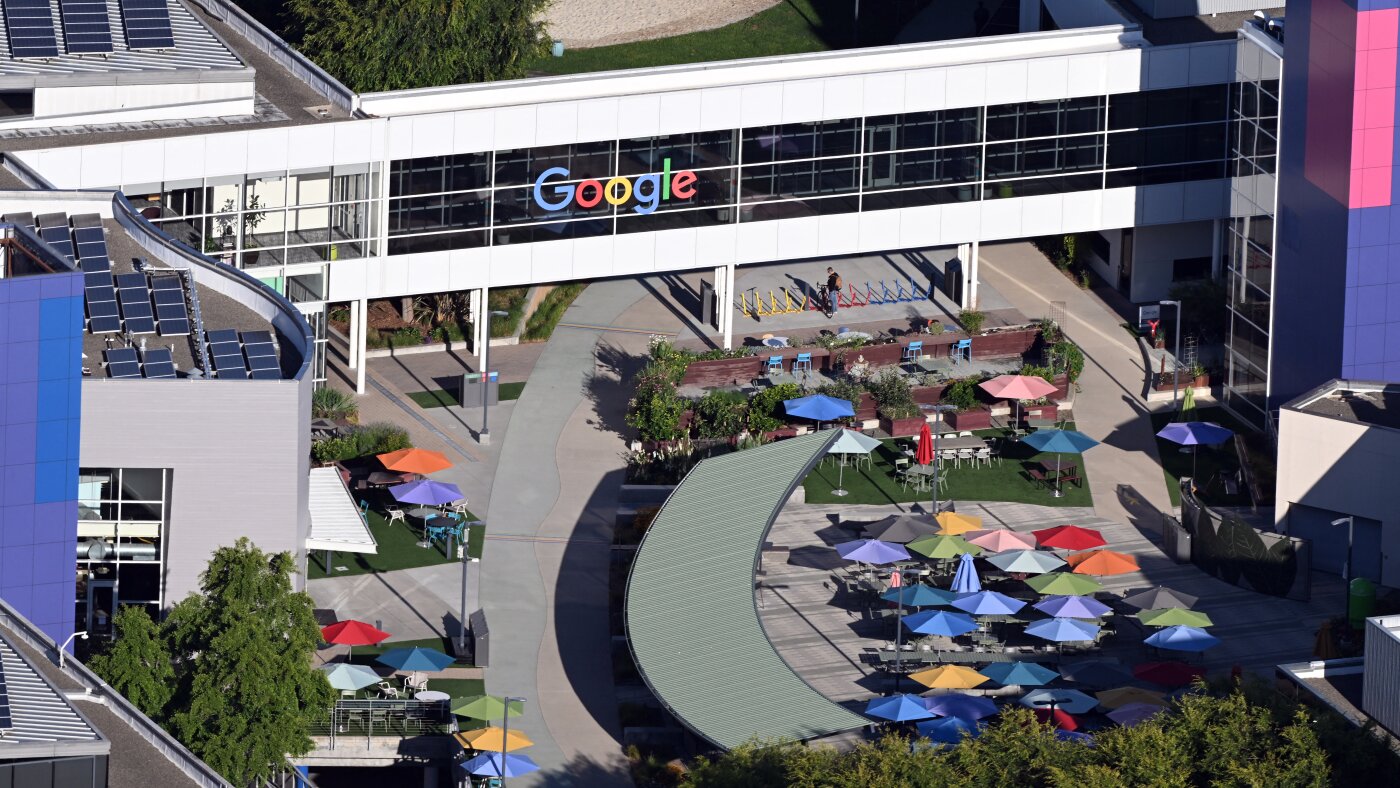
Insider Trading Prediction Market - institutional accumulation, inflows, and hedge fund activity. The U.S. Department of Justice has filed criminal charges against a Google employee accused of using confidential information to generate approximately $1.2 million in profits on the prediction market platform Polymarket. This marks the second known federal case targeting insider trading on such decentralized betting markets, underscoring growing regulatory scrutiny of the emerging sector.
Live News
Insider Trading Prediction Market - institutional accumulation, inflows, and hedge fund activity. Real-time monitoring allows investors to identify anomalies quickly. Unusual price movements or volumes can indicate opportunities or risks before they become apparent. The Department of Justice recently announced charges against an unnamed Google staffer, alleging the individual exploited insider access to sensitive corporate data to execute trades on Polymarket. The trades reportedly yielded around $1.2 million in profits. According to the indictment, the employee accessed non-public information about upcoming company announcements, product launches, or earnings events, then placed bets on prediction market contracts tied to those outcomes before the information became public. This case follows a previous instance in 2024 when the DOJ charged a former Commodity Futures Trading Commission official for using confidential knowledge to trade on Polymarket. Together, the two cases represent a precedent-setting application of securities fraud laws to prediction markets, which operate similarly to event-based betting exchanges. The Justice Department has not released the specific events or contracts involved in the latest case, but the charges suggest that insider trading prohibitions may extend beyond traditional stocks and options to include these alternative trading venues. Polymarket, a decentralized platform built on blockchain technology, allows users to speculate on real-world events ranging from election outcomes to corporate earnings. The company has faced increased regulatory attention in the United States, including a $1.4 million settlement with the Commodity Futures Trading Commission in 2022 for offering unregistered binary options.
DOJ Charges Google Employee for Insider Trading on Polymarket Prediction Market Some traders use alerts strategically to reduce screen time. By focusing only on critical thresholds, they balance efficiency with responsiveness.Predictive tools often serve as guidance rather than instruction. Investors interpret recommendations in the context of their own strategy and risk appetite.DOJ Charges Google Employee for Insider Trading on Polymarket Prediction Market Historical volatility is often combined with live data to assess risk-adjusted returns. This provides a more complete picture of potential investment outcomes.Observing correlations across asset classes can improve hedging strategies. Traders may adjust positions in one market to offset risk in another.
Key Highlights
Insider Trading Prediction Market - institutional accumulation, inflows, and hedge fund activity. Real-time data can highlight momentum shifts early. Investors who detect these changes quickly can capitalize on short-term opportunities. The case carries significant implications for both prediction market operators and participants. First, it signals that federal authorities may treat non-public information trading on such platforms as illegal insider trading, even though the underlying assets are not conventional securities. This could lead to stricter know-your-customer (KYC) requirements and compliance protocols for platforms like Polymarket, which have historically operated with lighter oversight. Second, employees at major technology firms and other companies who have access to material, non-public information may face heightened legal risk if they engage in prediction market activity related to their employer. The DOJ’s action reinforces that the duty of trust and confidence extends to information used in any market where financial gain is possible. Third, the case may prompt regulators to clarify whether prediction market contracts fall under existing securities laws or require new rulemaking. The SEC and CFTC have previously disagreed over jurisdiction, but criminal charges suggest the DOJ views these trades as actionable under fraud statutes. Investors and platform operators should monitor any policy announcements or legislative developments in this area.
DOJ Charges Google Employee for Insider Trading on Polymarket Prediction Market Some traders rely on patterns derived from futures markets to inform equity trades. Futures often provide leading indicators for market direction.Data visualization improves comprehension of complex relationships. Heatmaps, graphs, and charts help identify trends that might be hidden in raw numbers.DOJ Charges Google Employee for Insider Trading on Polymarket Prediction Market Many investors appreciate flexibility in analytical platforms. Customizable dashboards and alerts allow strategies to adapt to evolving market conditions.Some traders combine sentiment analysis with quantitative models. While unconventional, this approach can uncover market nuances that raw data misses.
Expert Insights
Insider Trading Prediction Market - institutional accumulation, inflows, and hedge fund activity. Cross-market monitoring allows investors to see potential ripple effects. Commodity price swings, for example, may influence industrial or energy equities. From an investment perspective, the DOJ’s action may increase uncertainty for prediction market companies and their backers. Polymarket, which has raised venture capital funding, could face reputational and operational challenges if regulatory pressures intensify. Potential new compliance costs or restrictions on U.S. user activity might limit growth prospects. However, the case also highlights the growing mainstream adoption of prediction markets as a tool for aggregating information. If regulators establish clear, fair rules, the sector could benefit from increased legitimacy and institutional participation. The outcome of the current charges may influence how courts interpret insider trading laws in the context of digital, event‑driven markets. Investors exposed to companies involved in decentralized finance or blockchain-based prediction platforms should review their risk assessments. The evolving legal landscape suggests that caution is warranted until regulatory frameworks become more settled. Past cases have shown that enforcement actions can create short‑term volatility but also pave the way for clearer industry guidelines. Disclaimer: This analysis is for informational purposes only and does not constitute investment advice.
DOJ Charges Google Employee for Insider Trading on Polymarket Prediction Market Real-time updates reduce reaction times and help capitalize on short-term volatility. Traders can execute orders faster and more efficiently.Scenario planning based on historical trends helps investors anticipate potential outcomes. They can prepare contingency plans for varying market conditions.DOJ Charges Google Employee for Insider Trading on Polymarket Prediction Market Combining different types of data reduces blind spots. Observing multiple indicators improves confidence in market assessments.Some investors use trend-following techniques alongside live updates. This approach balances systematic strategies with real-time responsiveness.